


 English
 Español
 Pусский
 العربية
 Français

Once you've selected the perfect motorcycle battery maintainer for your needs, it's time to put it to work. Proper utilization ensures that your battery receives the care it requires. Here's how to use a motorcycle battery maintainer effectively which shared by PZP:
Preparing Your Workspace
Before you begin, create a safe and suitable workspace:
Ventilation: Ensure you're in a well-ventilated area to dissipate any hydrogen gas that may be released during charging.
Safety Gear: Consider wearing safety gear like gloves and safety glasses, especially if you're dealing with an older or damaged battery.
Cleanliness: Keep your workspace clean and free of any potential hazards.
Safety First: Checking the Battery
Before connecting the battery maintainer, inspect the battery for any visible signs of damage, leakage, or corrosion. If you notice any issues, it's crucial to address them or seek professional assistance before proceeding with maintenance.
Connecting the Battery Maintainer
Follow these steps to connect the maintainer to your motorcycle's battery:
Turn off the motorcycle: Ensure that the ignition is turned off, and the key is removed from the ignition switch.
Prepare the clamps: Check the maintainer's clamps for any signs of damage or wear. Clean the clamps if they are dirty or corroded.
Attach the clamps: Connect the positive (red) clamp to the positive terminal of the battery. Then, attach the negative (black) clamp to the negative terminal. Ensure that the clamps are securely fastened.
Plug in the maintainer: Plug the maintainer into a power outlet. Some maintainers may have an on/off switch; ensure it is in the "off" position before plugging in.
Selecting the Charging Mode
Most modern motorcycle battery maintainers offer multiple charging modes, including:
Bulk Charge: This mode delivers a higher current to quickly bring a depleted battery up to a certain voltage level.
Absorption Charge: In this mode, the charger maintains a constant voltage to bring the battery up to its full capacity.
Float Mode: Once the battery reaches full capacity, the charger switches to float mode, delivering a lower, maintenance-level charge to keep the battery at its optimal voltage without overcharging.
Desulfation Mode: Some advanced maintainers have a desulfation mode that helps break down sulfate crystals on the battery plates.
Select the appropriate charging mode based on your battery's condition and the maintainer's capabilities. If you're unsure, consult the user manual for guidance.
Monitoring the Maintenance Process
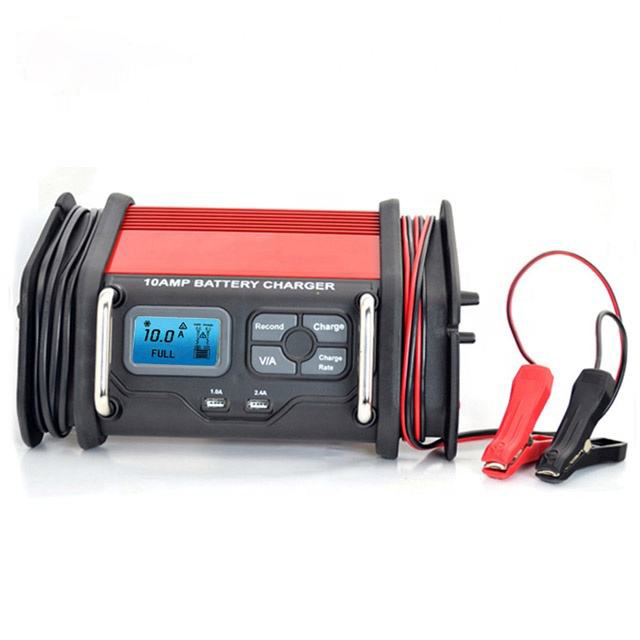
Once the maintainer is connected and the charging mode is selected, it will begin the maintenance process automatically. Most maintainers have LED indicators or displays to show the charging status. Monitor these indicators to ensure that the maintainer is functioning correctly.
How Long Does It Take?
The time required to charge and maintain your motorcycle's battery can vary based on several factors:
Battery Capacity: Larger capacity batteries may take longer to charge.
Battery Condition: A severely discharged or sulfated battery may require more time.
Maintainer Output: The output amperage of the maintainer also affects charging time. A higher output charger will typically charge the battery more quickly.
As a general guideline, it may take several hours to bring a moderately discharged battery to a full charge. However, maintaining a fully charged battery usually requires the maintainer to be connected continuously, especially during extended periods of inactivity.
Disconnecting the Maintainer
When you're ready to use your motorcycle, follow these steps to safely disconnect the battery maintainer:
Turn off the maintainer: If your maintainer has an on/off switch, turn it off before unplugging it from the power outlet.
Unplug the maintainer: Carefully unplug the maintainer from the power outlet.
Remove the clamps: Start by removing the negative (black) clamp from the battery terminal. Then, remove the positive (red) clamp. Be sure to avoid any accidental contact between the clamps, as this can create sparks.
Inspect the battery: After disconnecting the maintainer, take a moment to inspect the battery once more for any signs of damage or issues.
Storing Your Battery Maintainer
When your battery maintainer is not in use, it's essential to store it properly:
Clean the clamps: Wipe down the clamps to remove any residue or dirt.
Coil the cables: Neatly coil the cables and secure them to prevent tangles or damage.
Store in a dry place: Keep the maintainer in a dry, cool place, away from extreme temperatures and direct sunlight.
By following these steps and using your motorcycle battery maintainer diligently, you can ensure that your battery remains in optimal condition, ready to power your adventures whenever you're ready to ride.
Golden Rules for Battery Care and Maintenance
Maintaining your motorcycle battery's health extends beyond the use of a battery maintainer. Here are some golden rules for comprehensive battery care and maintenance:
Regular Riding - Frequent use of your motorcycle is one of the best ways to keep your battery charged. Short rides or occasional starts can help maintain the battery's charge and prevent it from discharging completely.
Keep It Clean - Periodically clean the battery terminals and surrounding area. Use a mixture of baking soda and water to remove corrosion and prevent it from spreading. Rinse thoroughly with clean water and dry before reconnecting the maintainer.
Secure Battery Connections - Ensure that the battery terminals are securely fastened to prevent accidental disconnection while riding. Loose connections can cause electrical issues and disrupt the charging process.
Check the Water Level (For Lead-Acid Batteries) - If your motorcycle uses a lead-acid battery with removable caps, check the water level regularly. Add distilled water as needed to maintain the correct level, typically just above the plates.
Store Your Motorcycle Properly - During long periods of inactivity, such as winter storage, take additional precautions:
Use a motorcycle cover to protect your bike from dust and moisture.
Elevate the motorcycle off the ground using a stand to prevent flat-spotting of the tires.
Consider removing the battery and storing it in a cool, dry place if your motorcycle will be stored in extreme temperatures.
Charge Before Storage - Before storing your motorcycle for an extended period, give the battery a full charge using a battery maintainer. This ensures that the battery enters storage in the best possible condition.
Avoid Jump-Starting - While jump-starting can get your motorcycle running in an emergency, it's not a recommended practice for routine use. Frequent jump-starting can strain the battery and lead to premature failure. It's better to maintain the battery's charge regularly.
Use a Voltage Monitor - Consider installing a voltage monitor on your motorcycle. This device provides real-time information about your battery's voltage level, helping you identify potential issues before they become critical.
Avoid Overloading Electrical Accessories - Excessive use of electrical accessories, such as heated gear, additional lights, or audio systems, can strain your battery. Be mindful of your bike's electrical load and use accessories judiciously.
Keep Your Bike Well-Maintained - Regular motorcycle maintenance, including checking the charging system, can help identify and address issues that may affect your battery's health.
By incorporating these golden rules into your motorcycle battery care routine, you can extend the life of your battery and enjoy a more reliable riding experience.


