


 English
 Español
 Pусский
 العربية
 Français

Types of Bike Inflators
Here are some common types of bicycle inflators, each with its own advantages and disadvantages:
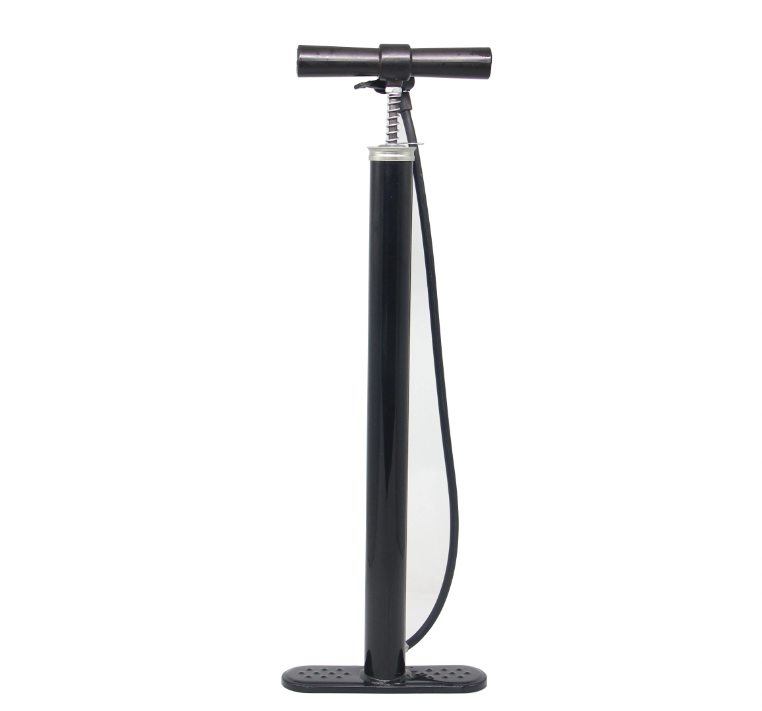
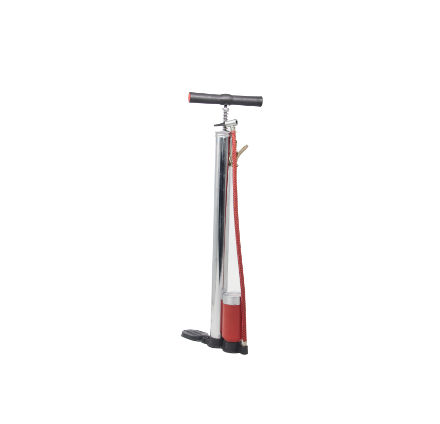
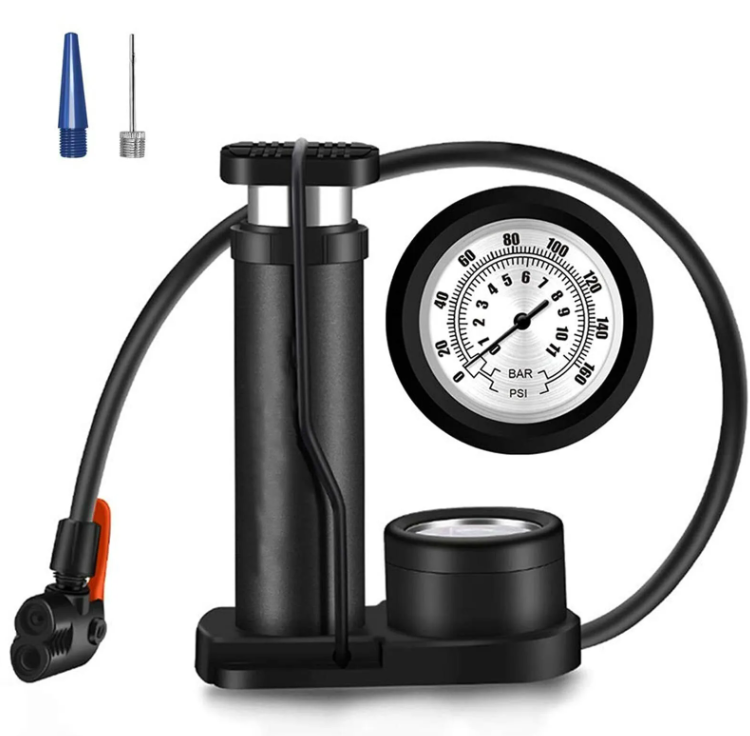
Floor pump: A floor pump is a popular type of bike inflator. It has a large air chamber and a long hose with a pressure gauge, which makes it easy to inflate your tires to the correct pressure. Foot pump design makes easier and labor-saving, refuse to bend down. Easy to operate and convenient to use. Perfect for travelling or home use, convenient to fold and store.


Mini pump: A mini pump is a compact and portable option that you can carry with you on your bike. It typically has a smaller air chamber and a shorter hose than a floor pump, which makes it more challenging to inflate your tires to the correct pressure. Mini pumps are a great option for emergency use on the road or trail, but they may take longer to inflate your tires than a floor pump.
CO2 inflator: A CO2 inflator uses compressed CO2 cartridges to inflate your tires quickly and easily. They are very portable and convenient, making them a popular choice among cyclists. However, they can be expensive to use in the long term, and you need to make sure that you have enough cartridges with you on your ride.
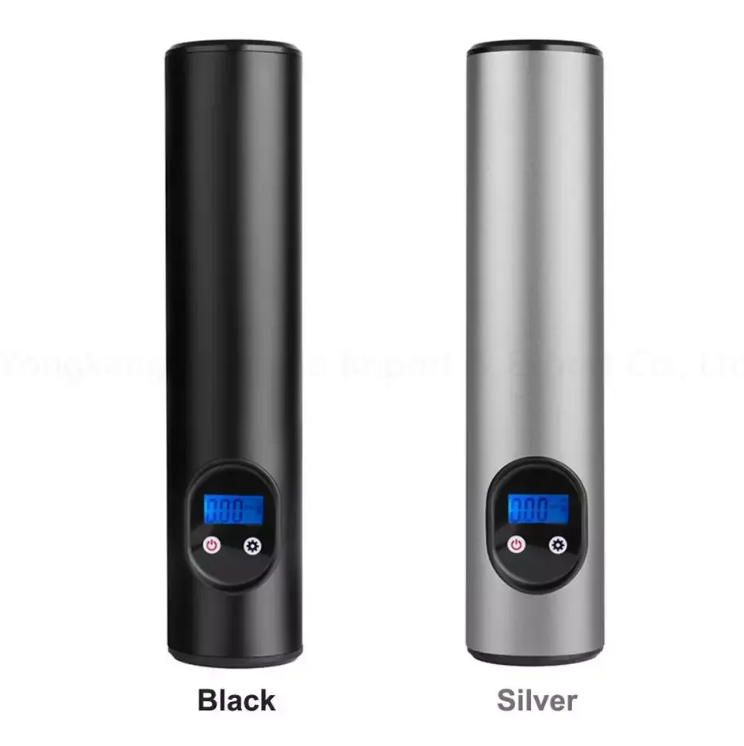
Handheld electric pump: A handheld electric pump is a rechargeable and portable option that can quickly inflate your tires with minimal effort. They are ideal for those who need a fast and effortless way to inflate their tires. the bike pump is the size of your hand, easy to carry. You can put it in your bike bag to save space.
Air Compressor: A compressor is a powerful and effective way to quickly inflate bicycle tires, but it's usually only available at bike shops or by professional mechanics. It can preset the pressure without worrying about over-inflation, and it will automatically shut off when the pressure is reached. Useful not only for drivers, but also for fellow travelers, to inflate bicycles, air mattresses or boats, as well as balls and inflatable toys for children. The downside is that it requires power and is expensive, so it's not a practical option for most cyclists.


How to inflate bike tire?
To inflate a bike tire, you will need a bicycle pump with the correct valve head that matches your bike's valve type. The two most common valve types are Schrader and Presta valves.
To inflate a bike tire, you will need a bicycle pump with the correct valve head that matches your bike's valve type. The two most common valve types are Schrader and Presta valves.
Here are the steps to inflate your bike tire:
Determine your valve type: Schrader or Presta.
1.Remove the valve cap if there is one.
2.Unscrew the valve nut if it is a Presta valve.
3.Attach the pump to the valve head by pressing the pump head onto the valve and locking it into place.
4.Pump the tire by moving the pump handle up and down. You should feel some resistance as you pump, which indicates that air is going into the tire.
5.Check the tire pressure using a pressure gauge or the gauge on the pump. The recommended tire pressure should be printed on the sidewall of your bike tire.
6.Once you have reached the recommended pressure, remove the pump head from the valve and screw the valve nut back on if it is a Presta valve.
7.Replace the valve cap if there is one.
1.Remove the valve cap if there is one.
2.Unscrew the valve nut if it is a Presta valve.
3.Attach the pump to the valve head by pressing the pump head onto the valve and locking it into place.
4.Pump the tire by moving the pump handle up and down. You should feel some resistance as you pump, which indicates that air is going into the tire.
5.Check the tire pressure using a pressure gauge or the gauge on the pump. The recommended tire pressure should be printed on the sidewall of your bike tire.
6.Once you have reached the recommended pressure, remove the pump head from the valve and screw the valve nut back on if it is a Presta valve.
7.Replace the valve cap if there is one.
It's a good idea to check your tire pressure regularly to ensure optimal riding performance and safety.
what psi to inflate road bike tires?
The correct tire pressure for your bike depends on the type of bike you have, the type of tire you're using, and your weight. The recommended tire pressure is usually printed on the sidewall of your bike tire, and it's important to check it regularly to ensure optimal riding performance and safety.
To find the recommended tire pressure for your bike, look for a number followed by "PSI" or "pounds per square inch" on the sidewall of your tire. For example, a typical road bike tire may have a recommended pressure of 80-130 PSI, while a mountain bike tire may have a recommended pressure of 30-50 PSI.
Keep in mind that the recommended tire pressure is a range, and you can adjust it based on your weight and riding style. A heavier rider may need to inflate their tires to a higher pressure to prevent pinch flats, while a lighter rider may prefer a lower pressure for a smoother ride.
It's important not to overinflate your tires as it can make them more prone to punctures and reduce their grip on the road. On the other hand, underinflated tires can cause more rolling resistance, making it harder to ride, and may damage the tire's sidewalls.
To find the ideal tire pressure for your road bike, start by inflating your tires to the recommended pressure range listed on the sidewall of your tire. Then, adjust the pressure based on your weight and riding style to find the perfect balance between speed, comfort, and safety.
How often to inflate bike tires
To check and inflate your bike tires regularly to ensure optimal riding performance and safety. The frequency of inflating your bike tires depends on several factors, such as the type of bike, the type of tire, and how often you ride.
You should check your bike tire pressure at least once a week and before every ride. This is especially important if you haven't ridden your bike in a while, as tires can lose pressure over time even if they're not being used.
If you're a frequent rider, you may need to check your tire pressure more often, especially if you're riding on rough terrain or in different weather conditions. In general, the more you ride, the more often you should check your tire pressure.
It's also a good idea to keep a tire pressure gauge with you when you're out riding, so you can quickly check and adjust your tire pressure as needed. Remember to inflate your tires to the recommended pressure listed on the sidewall of your tire and to adjust it based on your weight and riding style.


