


 English
 Español
 Pусский
 العربية
 Français

The Comprehensive Production Process of Sealed Lead Acid Battery Chargers
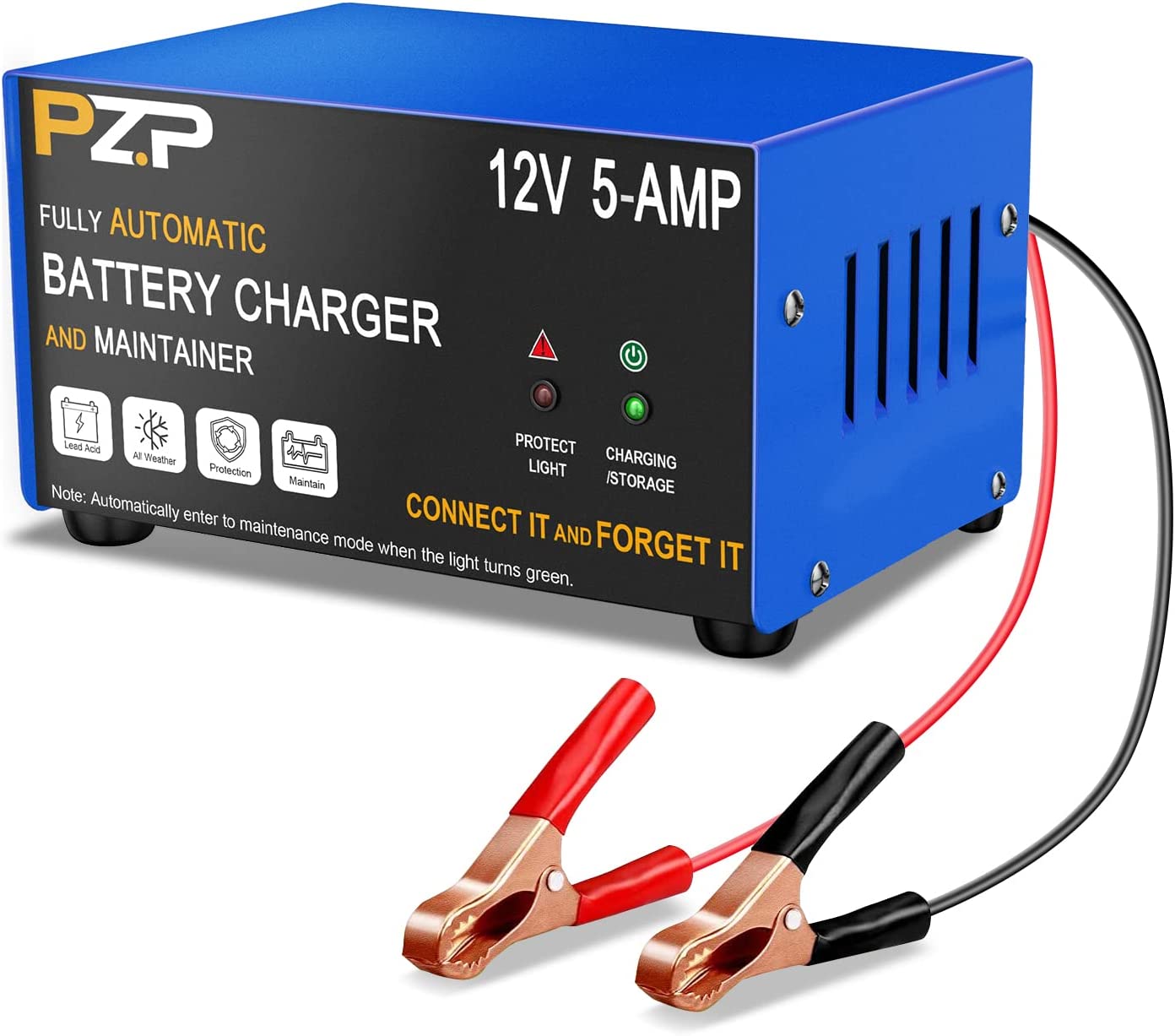
Sealed lead acid (SLA) battery chargers are essential components in various industries, ensuring the longevity and reliability of rechargeable batteries used in applications ranging from automotive vehicles to backup power systems. The production of these chargers is a meticulous and intricate process that involves multiple stages to guarantee efficiency, reliability, and safety. Next PZP Battery Charger will delve deeply into each key step involved in the manufacturing process of sealed lead acid battery chargers, providing detailed insights and explanations.
1. Design and Engineering: Crafting the Blueprint for Excellence
The journey of producing sealed lead acid battery chargers begins with the crucial phase of design and engineering. This initial step sets the foundation for the charger's functionality, performance, and safety features. Highly skilled engineers meticulously design the charger's circuitry, taking into account various factors such as voltage and current requirements, charging algorithms, thermal management, and compatibility with different battery chemistries.
Advanced computer-aided design (CAD) software and simulation tools are employed to model and optimize the charger's electronic circuits and components. Through simulation, engineers can analyze the charger's behavior under different operating conditions, identify potential design flaws or inefficiencies, and fine-tune parameters to achieve optimal performance.
During the design phase, considerations are also made for safety features such as overcharge protection, short-circuit protection, and thermal shutdown mechanisms. These features are essential for preventing damage to batteries and ensuring safe operation under all conditions.
Once the design is finalized, engineering prototypes are often built and subjected to rigorous testing and validation. This iterative process allows engineers to refine the charger's design, address any issues or shortcomings, and optimize its performance and reliability before moving to the production phase.
2. Component Procurement: Sourcing Quality Materials for Superior Performance
With the design specifications in hand, the next critical step in the production process is procuring the necessary components and materials. The quality and reliability of these components are paramount to the overall performance and longevity of the sealed lead acid battery chargers.
Manufacturers often partner with trusted suppliers and distributors to source high-quality electronic components, such as transformers, diodes, capacitors, integrated circuits, and resistors. These components must meet stringent quality standards and specifications to ensure compatibility, reliability, and consistency in performance.
In addition to electronic components, manufacturers also procure other materials and accessories required for charger assembly, including outer casings, enclosures, input/output cables, connectors, and user interface elements. Careful attention is paid to selecting materials that are durable, heat-resistant, and compliant with industry regulations and standards.
The procurement process involves thorough vendor evaluation and qualification, ongoing quality control inspections, and adherence to supply chain management best practices. By maintaining strong partnerships with reputable suppliers and prioritizing quality assurance, manufacturers can ensure a reliable and consistent supply of components for their production operations.
3. PCB Assembly: Building the Core of the Charger
The heart of a sealed lead acid battery charger lies in its printed circuit board (PCB), where all electronic components are mounted and interconnected. The PCB assembly process is a critical step in charger production, requiring precision and attention to detail to ensure optimal performance and reliability.
Surface Mount Technology (SMT) Assembly:
Surface mount technology (SMT) is a commonly used method for populating PCBs with surface-mount electronic components. In this process, solder paste is applied to the PCB's pads using a stencil, and then components are precisely placed onto the solder paste using automated pick-and-place machines.
The pick-and-place machines use vision systems to accurately position components on the PCB, taking into account factors such as component orientation, alignment, and solderability. Once all components are placed, the PCB passes through a reflow oven, where the solder paste is melted, forming secure solder joints that bond the components to the PCB.
SMT assembly offers several advantages, including high precision, high component density, and reduced assembly time. It is suitable for a wide range of electronic components, including integrated circuits, resistors, capacitors, and diodes.
Through-Hole Assembly:
In addition to SMT assembly, through-hole assembly processes are used to mount through-hole electronic components onto the PCB. Through-hole components have leads that extend through holes in the PCB and are soldered to the opposite side of the board.
Through-hole assembly is typically used for larger, heavier components such as transformers, connectors, and power semiconductors. These components require stronger mechanical support and better heat dissipation than surface-mount components, making through-hole assembly an ideal choice.
After SMT and through-hole assembly, the populated PCBs undergo visual inspection and automated testing to detect any defects or issues. Any faulty components or solder joints are identified and corrected, ensuring the quality and reliability of the finished chargers.
4. Testing and Quality Assurance: Ensuring Performance and Safety Compliance
Once the PCB assembly is complete, each sealed lead acid battery charger undergoes rigorous testing and quality assurance procedures to verify its performance, functionality, and safety compliance. These tests are essential for identifying any defects or issues that could affect the charger's operation and reliability.
Functional Testing:
Functional testing verifies that the charger operates according to the specified charging algorithms and meets the required voltage and current output levels. Chargers are connected to test loads or battery simulators, and their performance is evaluated under various operating conditions.
During functional testing, parameters such as charging voltage, charging current, charging time, and termination voltage are monitored and recorded. Any deviations from the specified parameters are investigated, and adjustments are made as necessary to ensure compliance with design specifications.
Safety Testing:
Safety testing is another crucial aspect of the quality assurance process, ensuring that the chargers meet industry standards and regulations for electrical safety. Various safety tests are conducted to evaluate the charger's insulation resistance, dielectric strength, leakage current, and temperature rise under load.
Insulation resistance tests measure the resistance between different conductive parts of the charger to ensure adequate insulation and protection against electric shock. Dielectric strength tests apply high voltage to the charger's components to assess their ability to withstand electrical stress without breakdown.
Leakage current tests measure the current flowing through the charger's insulation to identify any potential safety hazards. Temperature rise tests evaluate the charger's thermal performance under load conditions, ensuring that it remains within safe operating temperatures.
Compliance Testing:
In addition to functional and safety testing, sealed lead acid battery chargers must undergo compliance testing to verify their adherence to relevant industry standards and regulations. Certification bodies such as UL (Underwriters Laboratories), CE (Conformité Européenne), and FCC (Federal Communications Commission) evaluate the chargers against specific criteria and issue certifications for compliance.
Compliance testing covers various aspects of charger design, performance, and safety, including electrical safety, electromagnetic compatibility (EMC), and environmental regulations. Chargers that meet all requirements receive certification marks indicating their compliance, providing assurance to customers and regulatory authorities.

5. Enclosure Assembly: Securing and Protecting the Charger Components
With testing and quality assurance complete, the next step in the production process is enclosure assembly, where the charger's PCB and components are integrated into the outer casing or enclosure. Enclosure assembly involves mounting the PCB securely within the casing, connecting input/output terminals, and installing external components such as indicators, controls, and user interface elements.
PCB Mounting: The PCB is carefully mounted inside the enclosure, ensuring proper alignment and secure attachment to prevent movement or damage during operation. Mounting methods may vary depending on the charger's design and enclosure type, but common techniques include screw mounting, snap-in mounting, and adhesive mounting.
Input/Output Connections: Input and output terminals are connected to the PCB to provide power input and battery charging output connections. These terminals may be screw terminals, spring terminals, or soldered connections, depending on the charger's design requirements and application.
External Components: External components such as indicators (LEDs), switches, knobs, and displays are installed on the enclosure to provide users with visual feedback and control over the charger's operation. Indicator lights illuminate to indicate charging status, battery condition, and fault conditions, while switches and knobs allow users to select charging modes, adjust settings, and control charger operation.
During enclosure assembly, careful attention is paid to ensure proper insulation, grounding, and protection against environmental factors such as moisture, dust, and mechanical shock. Seals, gaskets, and protective coatings may be applied to the enclosure to enhance its durability and resistance to environmental stressors.
6. Final Inspection and Packaging: Ensuring Quality and Presentation
Before leaving the production facility, each sealed lead acid battery charger undergoes a final inspection to verify that it meets all quality standards and specifications. Final inspection involves both visual and functional checks to ensure that the charger is free from defects and operates correctly under load conditions.
Visual Inspection: Visual inspection is conducted to check for any cosmetic defects, blemishes, or imperfections on the charger's enclosure and components. Inspectors examine the charger from all angles, looking for scratches, dents, discoloration, or other signs of damage that may affect its appearance or performance.
Functional Testing: Functional testing is performed to verify that the charger operates as intended and meets all performance requirements. Chargers are connected to test loads or batteries, and their performance is evaluated under various charging conditions to ensure proper operation and compliance with design specifications.
Quality Assurance Checks: Quality assurance checks are conducted to ensure that all aspects of charger production, including design, assembly, testing, and packaging, meet established quality standards and procedures. Any deviations or non-conformities are documented and addressed promptly to prevent them from affecting the charger's quality or reliability.
Packaging: Once the chargers have passed final inspection and quality assurance checks, they are carefully packaged for shipping to customers. Packaging materials such as cardboard boxes, foam inserts, bubble wrap, and protective sleeves are used to safeguard the chargers during transit and storage.
User manuals, safety instructions, and warranty information are included with each charger to provide customers with guidance on proper use, maintenance, and troubleshooting. Chargers may also be labeled with product information, model numbers, serial numbers, and certification marks for easy identification and traceability.
7. Compliance and Certification: Meeting Industry Standards and Regulations
Throughout the production process, manufacturers must ensure that their sealed lead acid battery chargers comply with relevant industry standards and regulations governing charger design, production, and safety. Compliance with these standards is essential for ensuring the chargers' reliability, safety, and performance and for gaining acceptance in the marketplace.
UL Certification: UL (Underwriters Laboratories) is a globally recognized certification organization that evaluates the safety and performance of electrical products, including battery chargers. Chargers that meet UL's rigorous testing and certification requirements receive the UL mark, indicating compliance with industry standards and regulations for electrical safety.
CE Certification: CE (Conformité Européenne) certification is required for chargers sold in the European Economic Area (EEA) and other regions that recognize CE marking. CE certification verifies that the chargers meet European Union (EU) safety, health, and environmental protection standards, ensuring their compatibility and acceptance in the European market.
FCC Certification: FCC (Federal Communications Commission) certification is required for chargers that emit electromagnetic radiation, such as radio frequency interference (RFI) or electromagnetic interference (EMI). FCC certification ensures that the chargers comply with FCC regulations for electromagnetic compatibility (EMC) and do not interfere with other electronic devices.
In addition to UL, CE, and FCC certifications, sealed lead acid battery chargers may also undergo testing and certification by other regulatory agencies and standards organizations, depending on the target market and application requirements.
Ensuring Excellence in Sealed Lead Acid Battery Charger Production
The production process of sealed lead acid battery chargers is a complex and multifaceted endeavor that requires precision, expertise, and adherence to strict quality standards. From design and engineering to final inspection and certification, each step in the process plays a crucial role in ensuring the chargers' reliability, performance, and safety.
By following best practices, leveraging advanced technologies, and prioritizing quality assurance, manufacturers can produce high-quality chargers that meet the needs and expectations of customers across various industries and applications. From automotive and industrial to telecommunications and consumer electronics, sealed lead acid battery chargers play a vital role in powering the devices and systems that drive our modern world.


