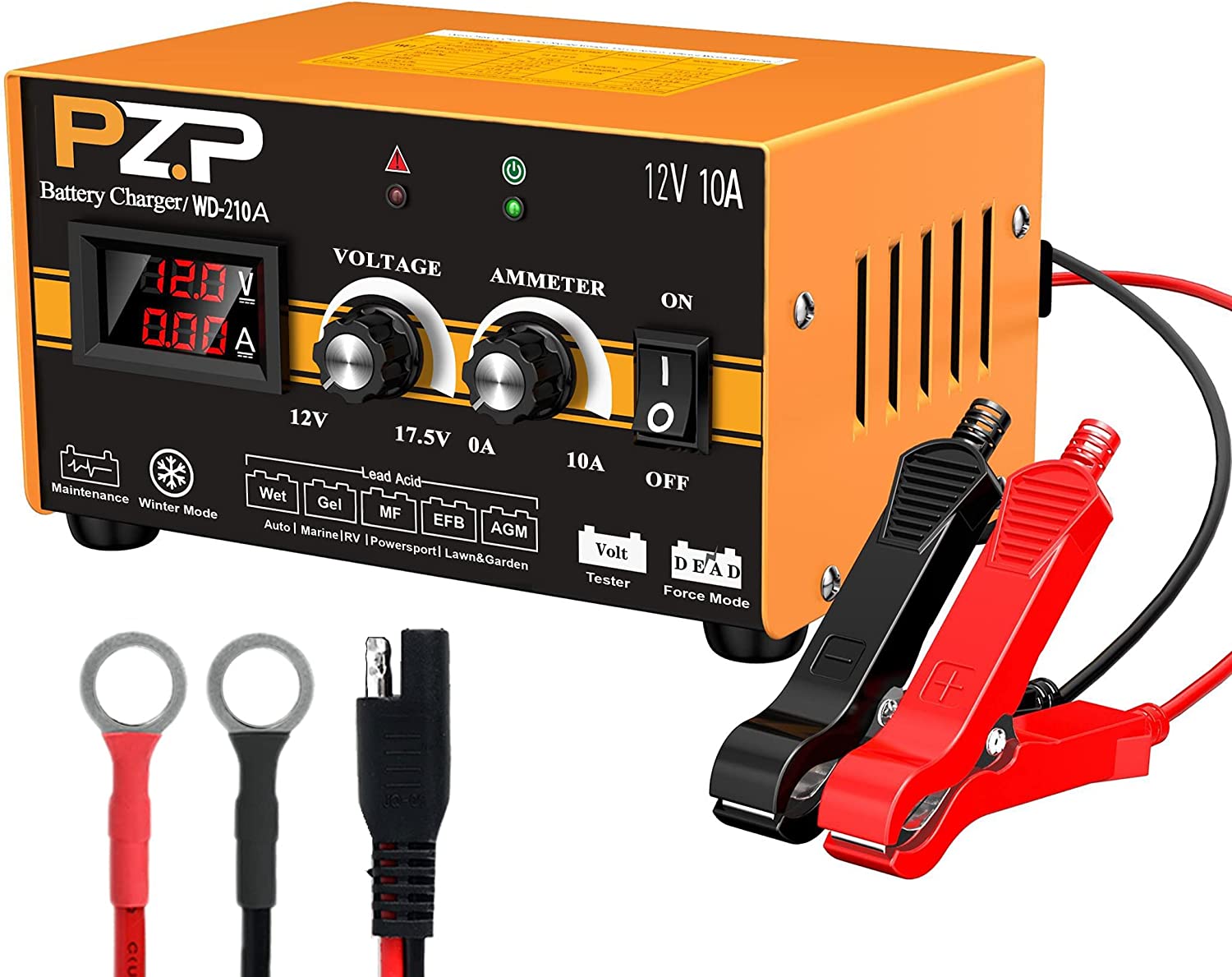
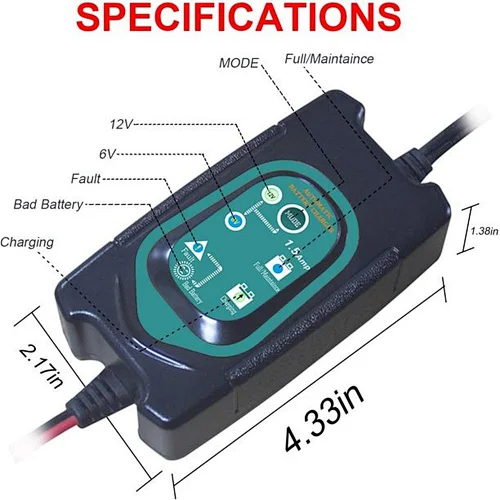
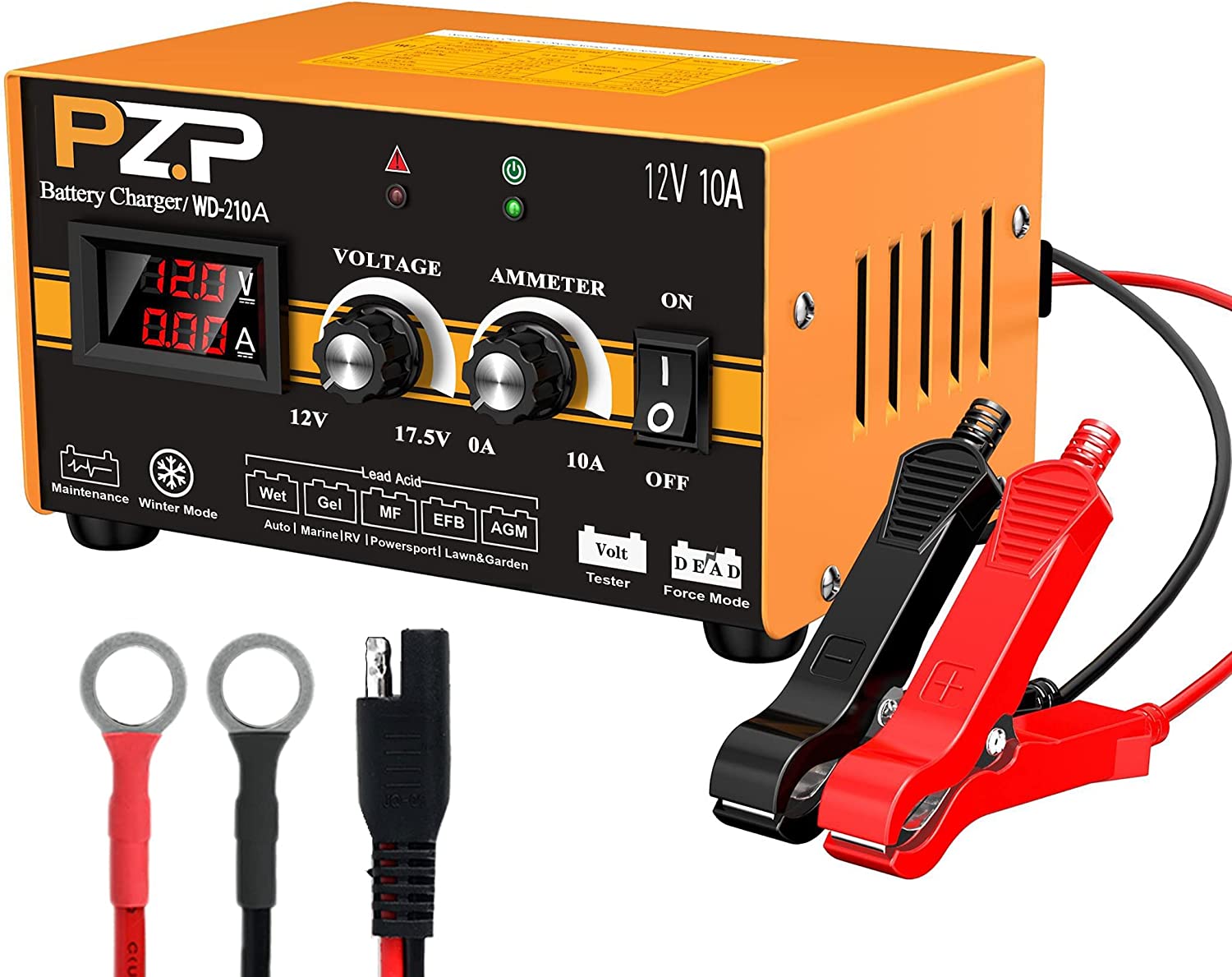
12V Manual Battery Charger and Maintaine| Input | Voltage | Current | Battery | Vehicles | NOTE |
| 110V-120V | 12V | 0-10A | Lead-acid | All | / |
Product features:
Guess how we can achieve over 10X+ repurchase rate?
Let's provide you with profitable ONE-ON-ONE marketing plans.
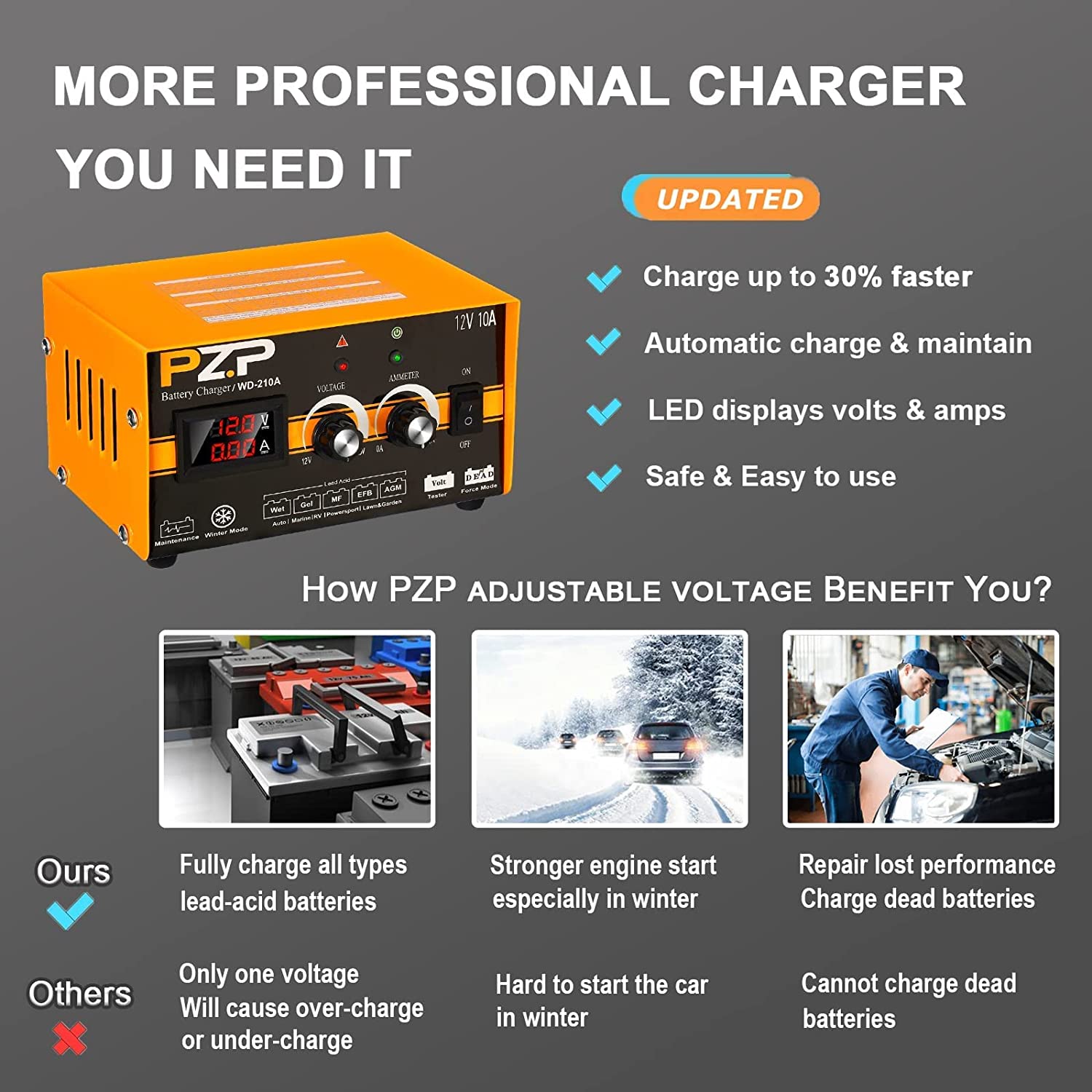
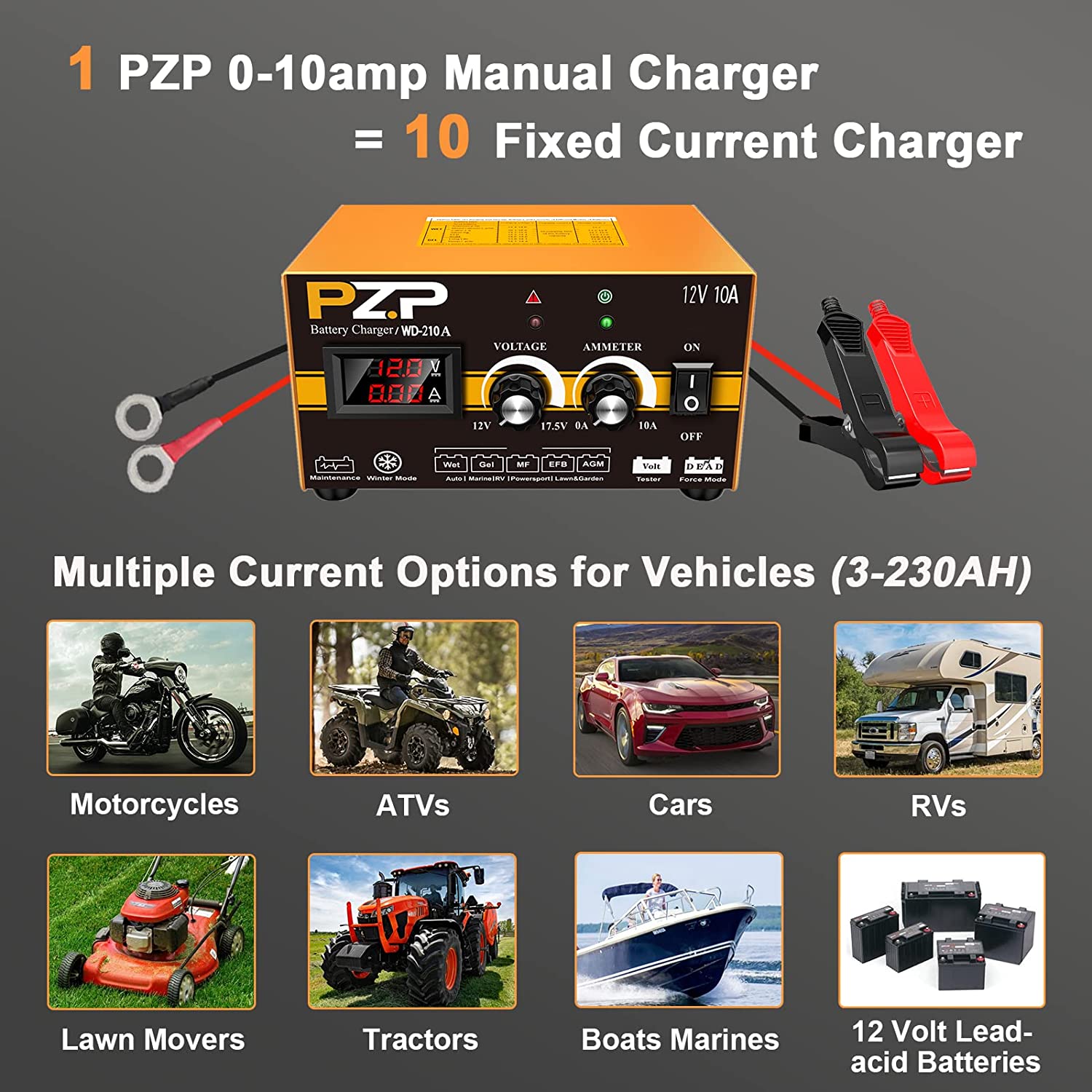
【Fully Charge All Batteries】PZP automotive battery charger and maintainer can flexibly set the charging voltage between 12V-17.5V, which can perfectly match all types of lead-acid batteries to 100% full charge, including flooded, AGM, Gel, Ca, MF, EFB, marine and deep cycle
【Automatic Battery Maintainer 】Boost charge 5-10 minutes can start the engine. A low amps trickle charger to 10 amp fast battery charger, satisfy your currents requirement of charging 3-230Ah vehicle batteries: car, truck, boat, RV, motorcycle, lawn tractor, lawnmover, ATV
【Multi-current battery charger】 Automatic enter to"storage mode"to maintain the battery after fully charged without overcharging - even you forget to turn it off all winter.
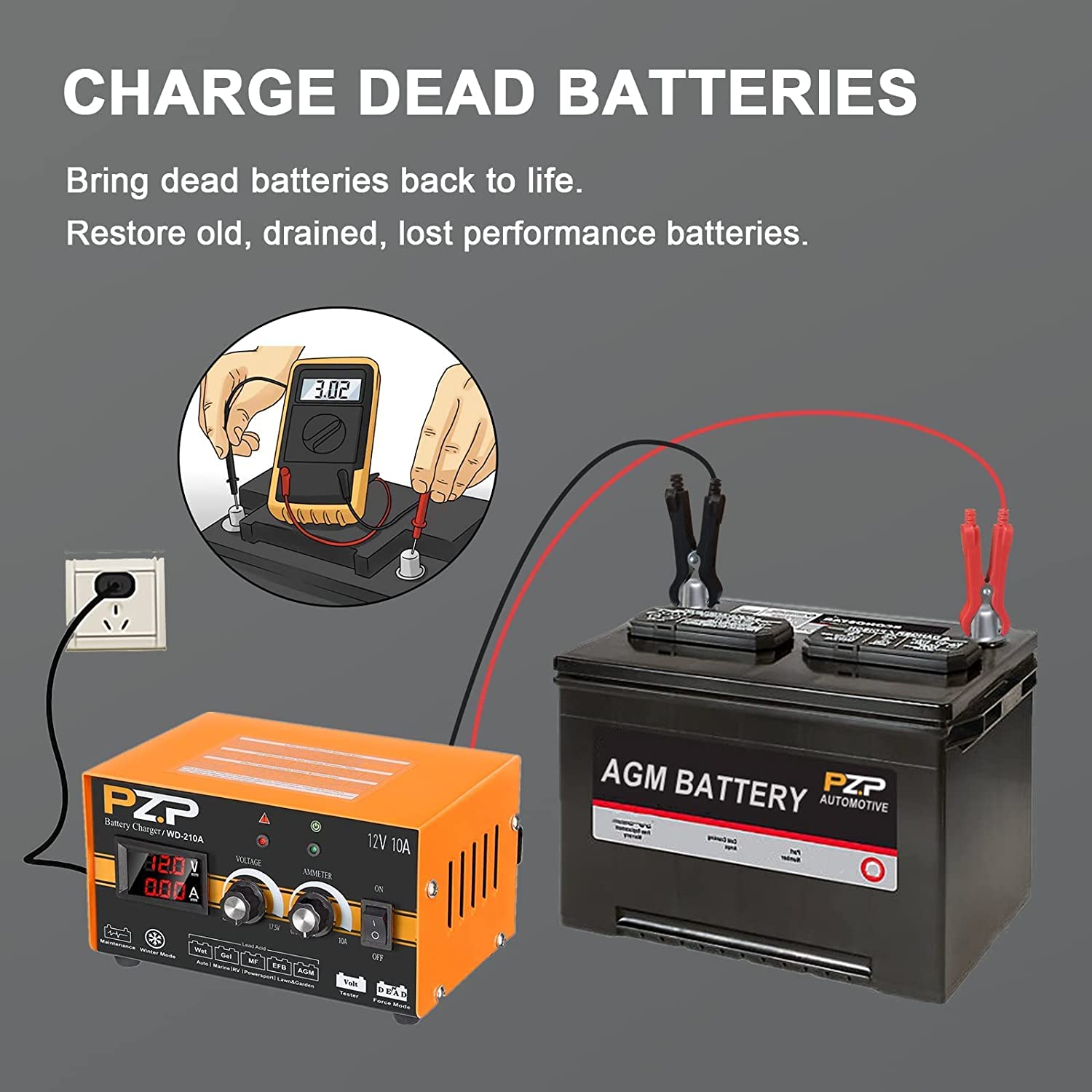
【Charge Dead Batteries】PZP 12v battery charger can charge dead batteries back to life. Restore old, drained, lost performance batteries, and maximize battery life. Can not charge batteries below 3V or frozen batteries.

How does a winter battery charger differ from a regular battery charger?
1. Cold Weather Performance: One of the primary distinctions between a winter battery charger and a regular charger lies in their ability to operate in cold temperatures. Winter can be brutal on batteries, causing them to lose efficiency and discharge more rapidly. winter battery chargers are designed to function optimally in colder conditions, ensuring that the charging process remains effective even when temperatures plummet. Regular chargers may struggle to deliver the necessary charge in such frigid environments, making them less reliable during the winter months.
2. Maintenance Charging: Winter battery chargers for motorcycles often come equipped with maintenance charging modes. This feature is essential for keeping the battery at an optimal charge level without overcharging. Overcharging can lead to electrolyte loss and reduced battery life, especially in cold weather. The maintenance charging functionality in winter chargers helps prevent these issues, ensuring that your battery stays in peak condition throughout the winter hiatus.
3. Desulfation Technology: Sulfation is a common problem in lead-acid batteries, particularly during periods of inactivity. winter battery chargers often incorporate desulfation technology, a feature aimed at breaking down sulfation and revitalizing the battery. Regular chargers may lack this specialized technology, leaving the battery vulnerable to sulfation-related issues during the winter months.
4. Temperature Compensation: Temperature compensation is a crucial feature in winter battery chargers. This technology adjusts the charging voltage based on the ambient temperature, ensuring that the battery receives an appropriate charge regardless of the weather conditions. Regular chargers may not offer this level of adaptability, potentially leading to undercharging or overcharging depending on the temperature, both of which can be detrimental to battery health.
5. Durability and Weather Resistance: Winter battery chargers are often built with durability and weather resistance in mind. These chargers are designed to withstand the challenges posed by winter conditions, including moisture, snow, and cold temperatures. The construction of regular battery chargers may not prioritize such resilience, making them less suitable for use in harsh winter environments.
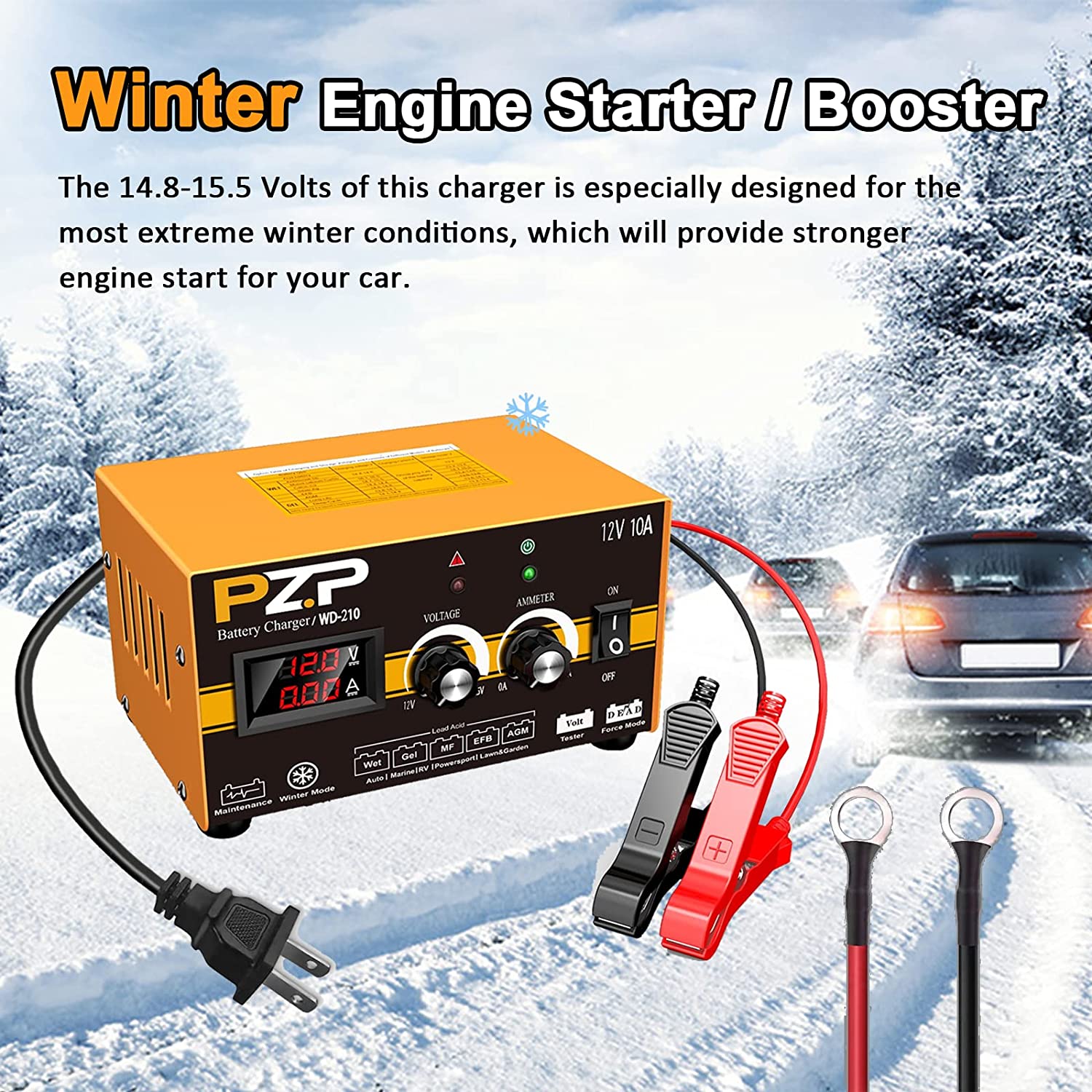
Essential features that a winter battery charger should include
A good quality winter battery charger should include several key features and functionalities to ensure reliable performance and ease of use in cold weather conditions.
1. Cold Weather Performance: Winter battery chargers should be specifically designed to operate effectively in cold temperatures, which can affect battery performance and charging efficiency. Look for chargers that are rated for cold weather use and can function reliably in sub-zero temperatures.
2. Low-Temperature Charging Capability: The charger should have the ability to charge batteries at low temperatures without compromising performance. It should be able to provide sufficient charging current even when the battery is cold, ensuring effective charging in winter conditions.
3. Temperature Compensation: Temperature compensation functionality adjusts the charging voltage and current based on ambient temperature to optimize charging performance in cold weather. This feature helps prevent overcharging or undercharging of the battery due to temperature fluctuations.
4. Winterization Mode:
Some winter battery chargers offer a winterization mode specifically designed for maintaining battery health during the winter months. This mode typically involves lower charging voltages and longer charging durations to prevent battery degradation in cold weather.
5. Low-Voltage Start: A low-voltage start feature allows the charger to initiate charging even when the battery voltage is extremely low, which can occur in cold weather conditions. This ensures that the battery can be charged effectively, even if it has been depleted due to cold temperatures.
6. Automatic Operation: Automatic operation is essential for convenience and ease of use, especially in winter conditions where manual intervention may be difficult. Look for chargers that feature automatic charging algorithms and can adjust the charging process based on battery condition and temperature.
7. Safety Features: Safety features are crucial for protecting both the battery and the charger during the charging process. Look for chargers with built-in safety mechanisms such as overcharge protection, short circuit protection, reverse polarity protection, and temperature monitoring to prevent damage and ensure safe operation.
8. Durability and Weather Resistance: Winter battery chargers should be ruggedly built and weather-resistant to withstand harsh winter conditions, including moisture, snow, and freezing temperatures. Look for chargers with durable enclosures, sealed components, and weatherproof construction to ensure long-term reliability.
9. User-Friendly Design: A user-friendly design with clear LED indicators, intuitive controls, and easy-to-read displays makes operation easier, especially when wearing gloves or in low-light conditions during winter. Look for chargers that are designed with usability in mind and provide clear feedback on charging status.
10 Compatibility with Various Battery Types: Ensure that the charger is compatible with a wide range of battery types, including lead-acid, AGM, gel, and lithium-ion batteries, to accommodate different vehicles and equipment commonly used in winter conditions.


 English
 Español
 Pусский
 العربية
 Français