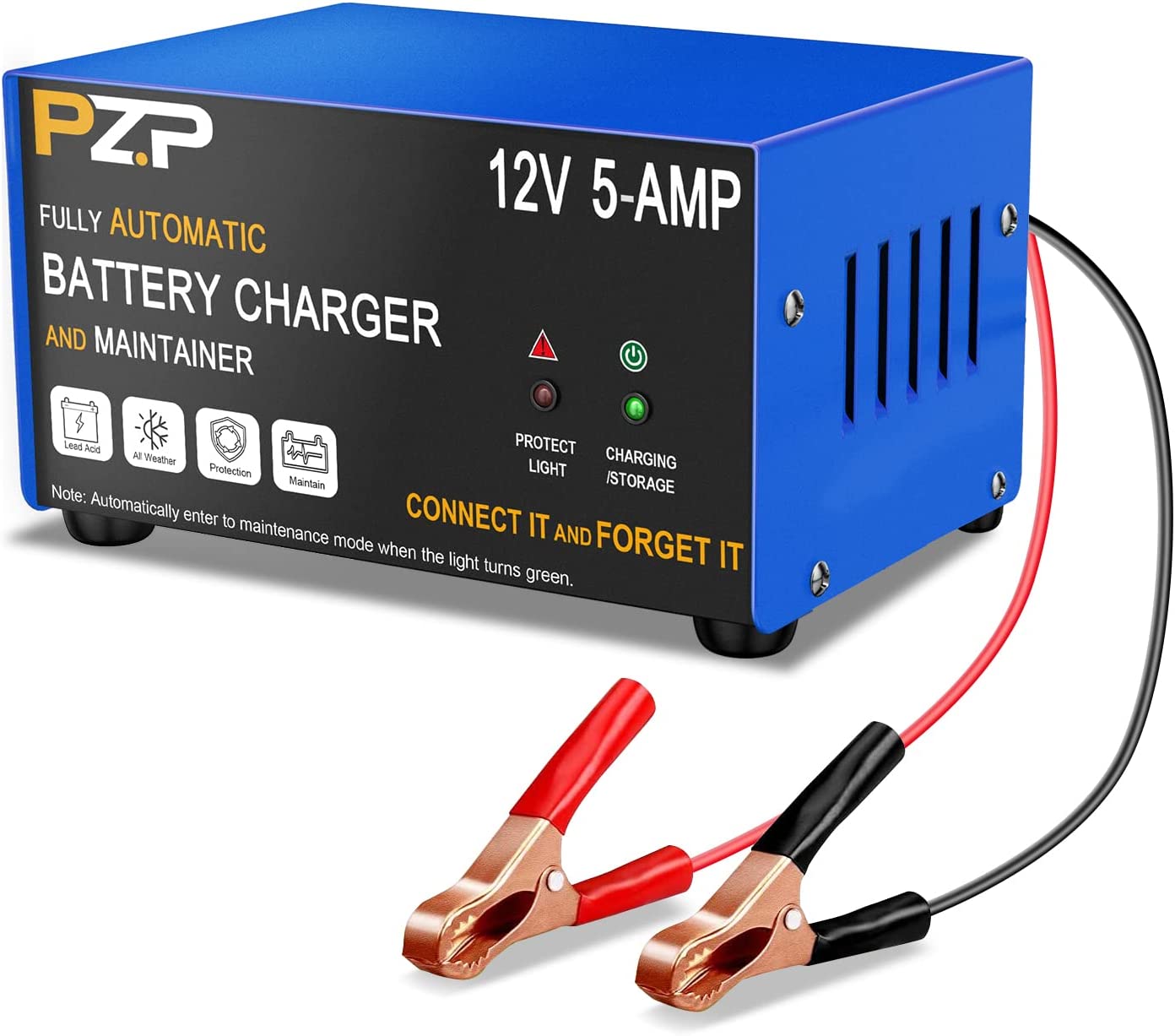
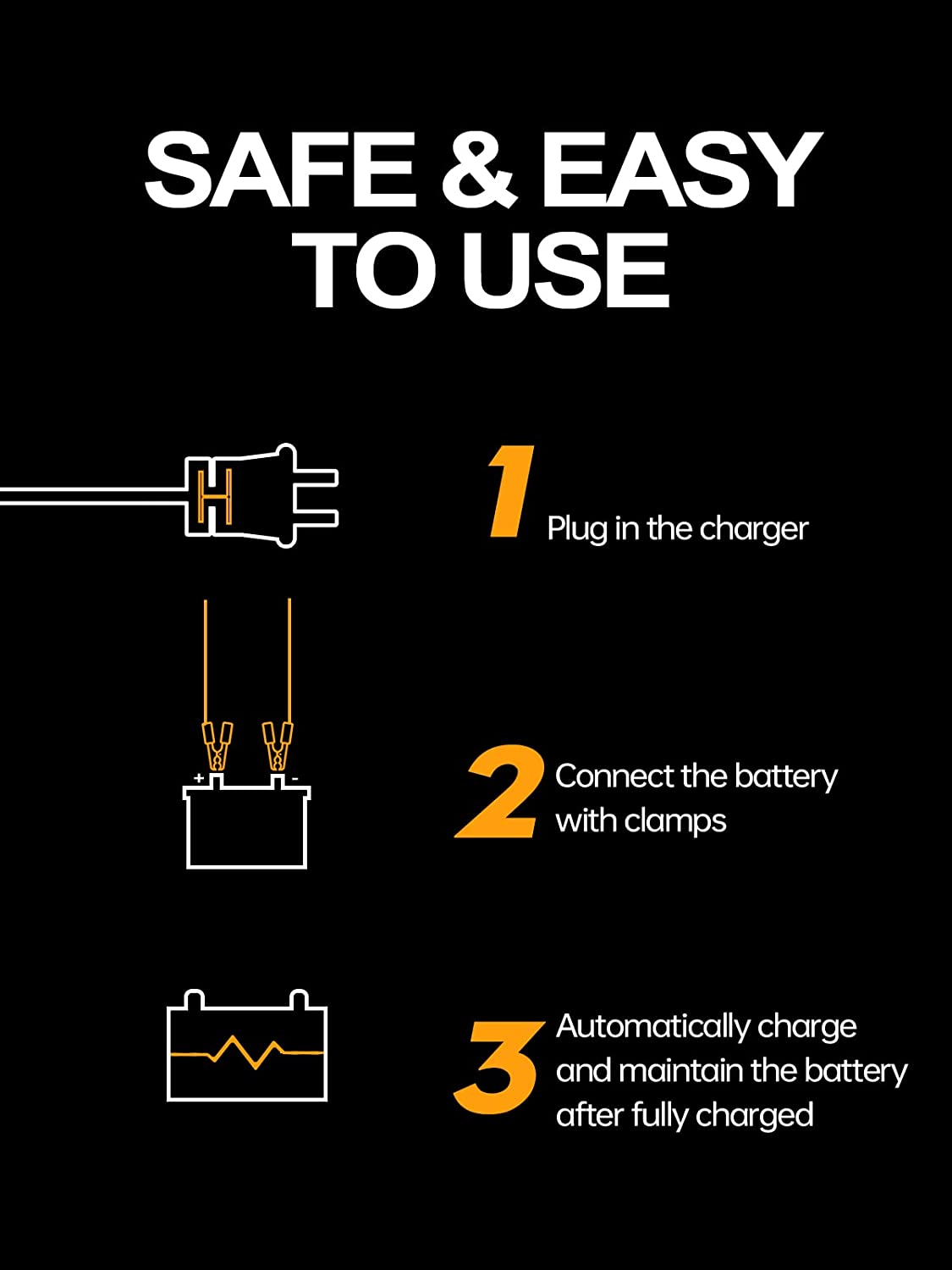
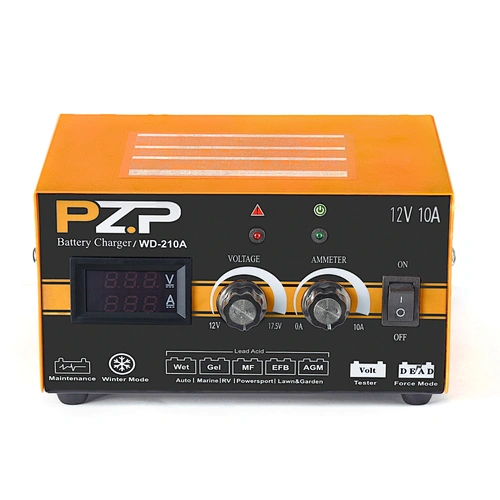
Tips for Choosing the Right Car Trickle Charger
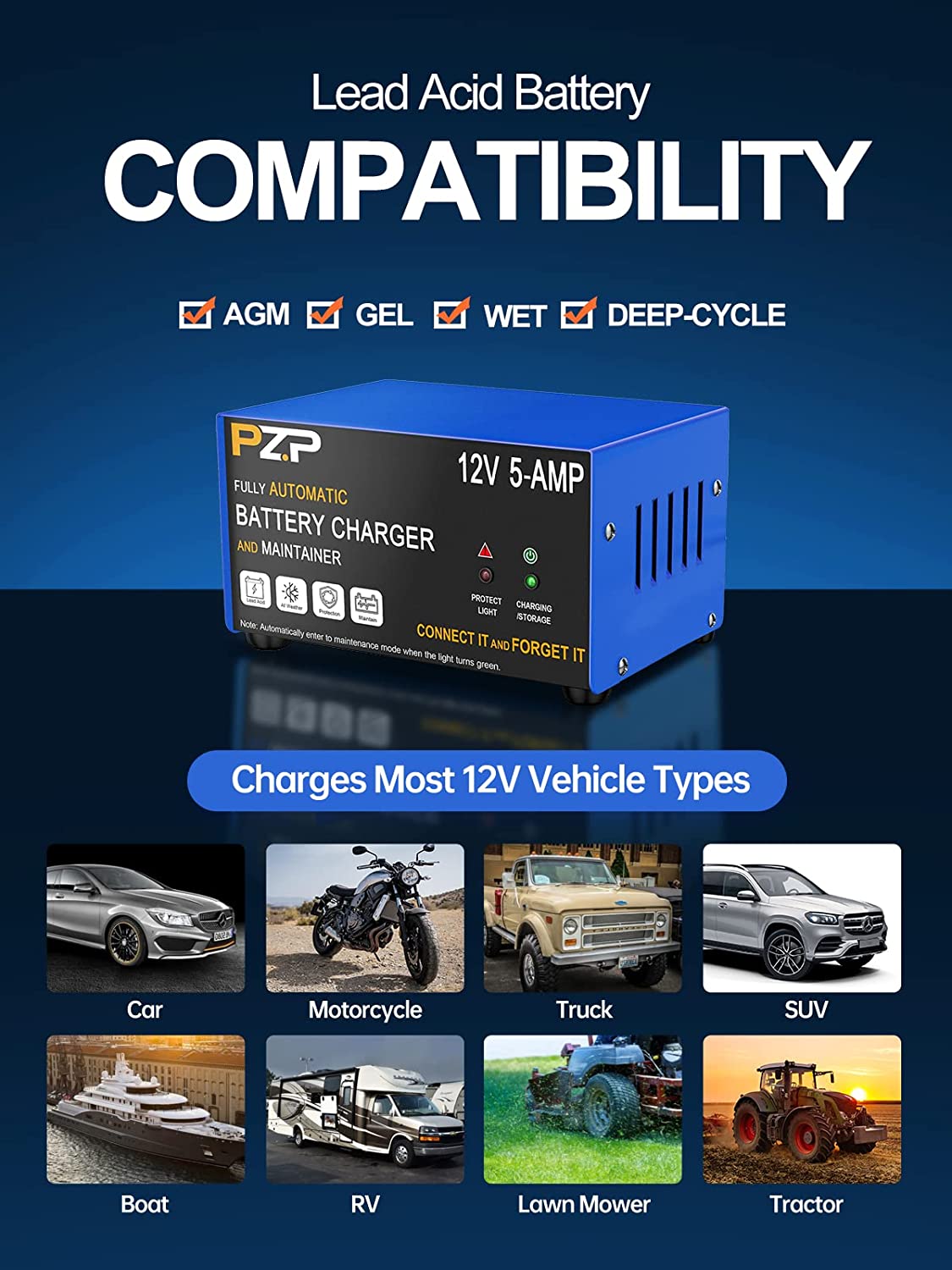
1. Compatibility with Battery Type: Ensure that the trickle charger is compatible with the type of battery you have in your car. Common battery types include flooded lead-acid, AGM (Absorbent Glass Mat), and gel batteries. Trickle chargers designed for specific battery types often have charging algorithms optimized for those batteries, leading to better performance and longevity.
2. Charging Capacity: Consider the charging capacity of the trickle charger in relation to your battery's capacity. The charger's output should match the battery's capacity, typically measured in ampere-hours (Ah). Using a charger with insufficient capacity may result in slow charging or inadequate maintenance of the battery, while a charger with excessive capacity could lead to overcharging.
3. Charging Voltage: Verify that the trickle charger provides the correct charging voltage for your 12V car battery. Most car batteries operate at a nominal voltage of 12 volts, so ensure that the charger delivers a steady 12V output. Fluctuations in voltage can affect the battery's health and performance.
4. Charging Modes: Look for trickle chargers with multiple charging modes, including bulk charge, absorption charge, and float charge. These modes allow for a controlled charging process, optimizing battery performance while minimizing the risk of overcharging. Automatic chargers with microprocessor-controlled charging algorithms are particularly effective in adjusting charging modes based on battery condition and voltage.
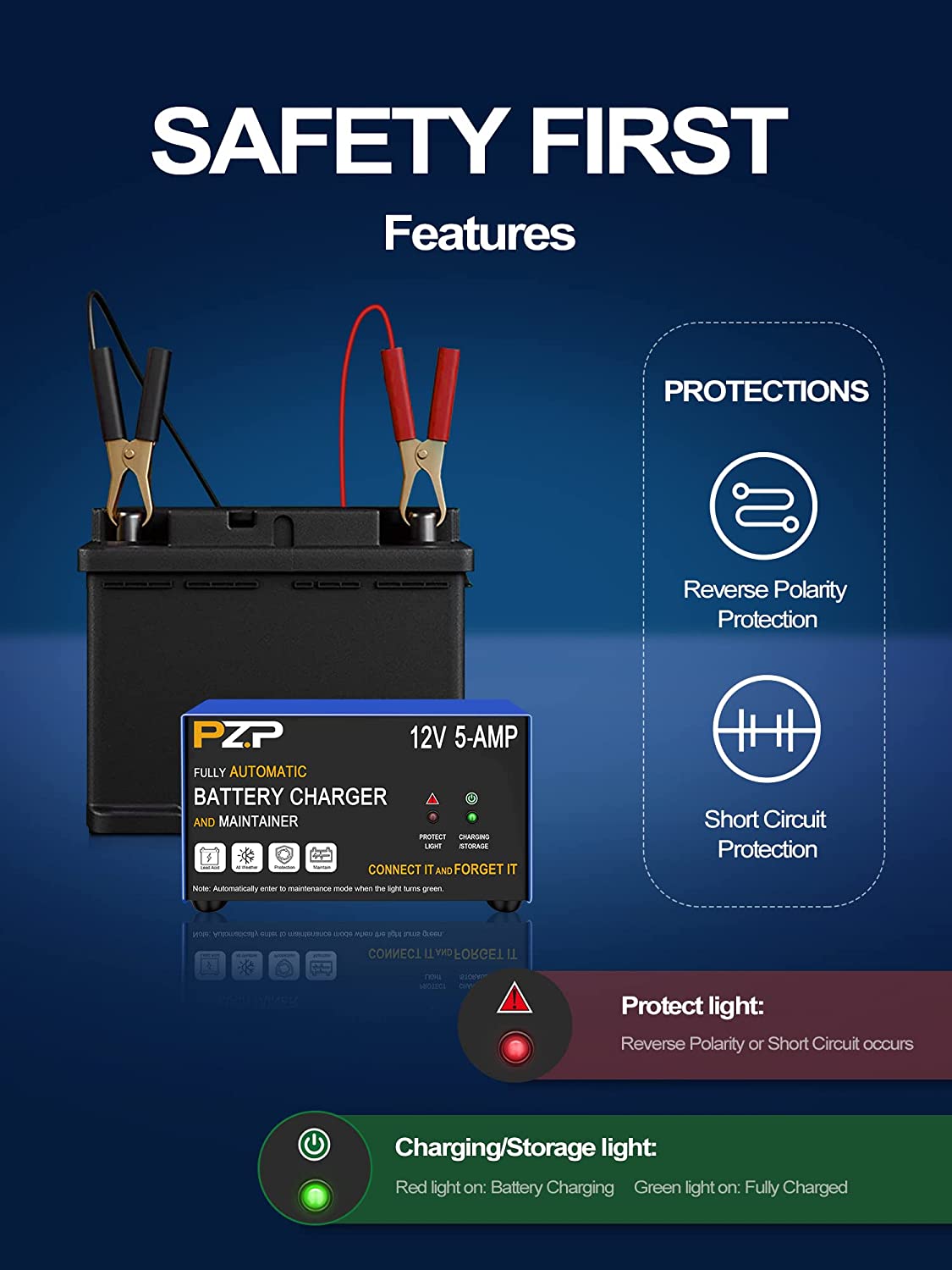
5. Safety Features: Prioritize safety features when selecting a trickle charger. Key safety features to look for include:
Overcharge Protection: Prevents the battery from being charged beyond its capacity, reducing the risk of damage and premature failure.
Short Circuit Protection: Safeguards against accidental short circuits, automatically shutting off or reducing charging current to prevent hazards.
Reverse Polarity Protection: Detects reversed battery connections and disables charging until corrected to prevent damage.
Temperature Compensation: Adjusts charging voltage and current based on ambient temperature to ensure optimal performance and battery health.
6. Build Quality and Durability: Choose a trickle charger made from high-quality materials and components for durability and longevity. Look for chargers with robust casings, reliable connectors, and well-insulated cables to withstand the rigors of automotive use. Additionally, opt for chargers from reputable brands known for their reliability and quality craftsmanship.
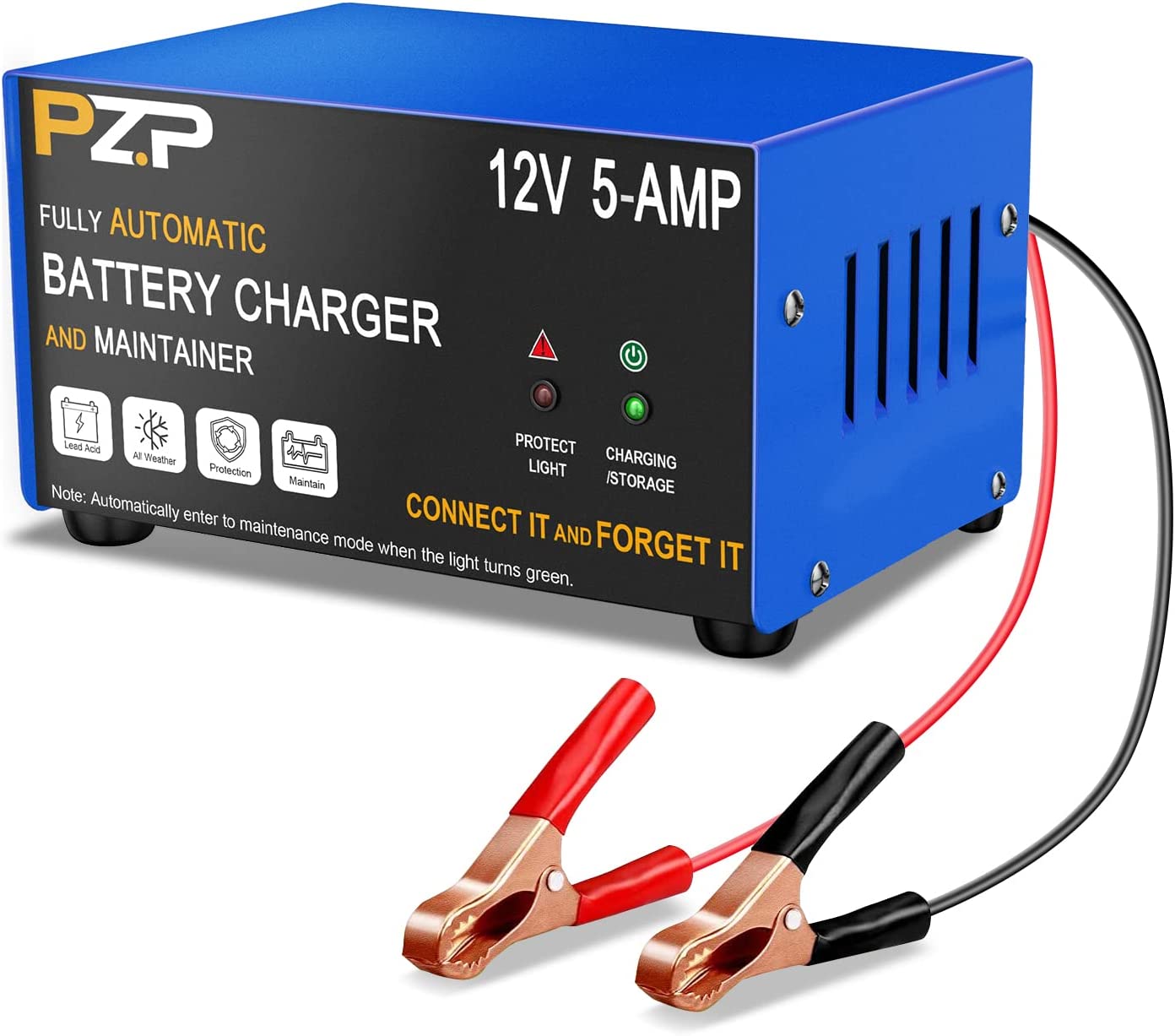
7. User-Friendly Design: Select a trickle charger with a user-friendly design that simplifies operation and monitoring. Features such as LED indicator lights, LCD displays, and intuitive control interfaces make it easier to track charging progress and detect any issues with the battery or charger.
8. Warranty and Customer Support: Check the warranty coverage and availability of customer support services before purchasing a trickle charger. A manufacturer's warranty provides assurance against defects or malfunctions, while responsive customer support can offer assistance and guidance in case of any issues or concerns with the charger. Click to Know More Battery Charger 


 English
 Español
 Pусский
 العربية
 Français